
Europe
Poland: flag, map, capital and facts
Everything about Poland: its flag, its map and its facts.
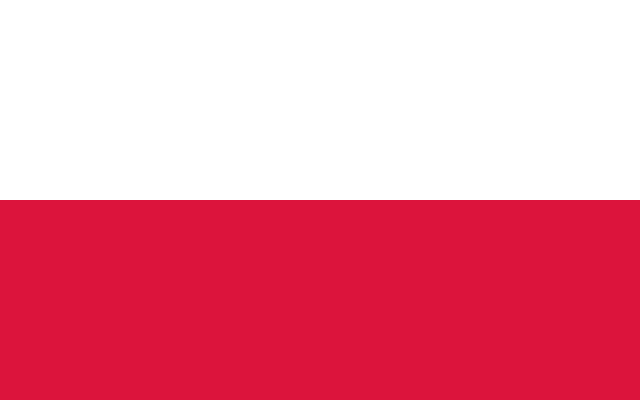
- Capital
- Warsaw
- Population
- 36.4 million
- Area
- 312,679 km²
- Currency
- Polish Zloty (zł)
#44 by population · #70 by area · #21 economy in the world · #75 by population density
Population and society
Population of pl, 1960–2025. From 29.6 million in 1960 to 36.4 million in 2025. Its peak: 38.7 million in 1998.
- Population density
- 119 per km² (rank 75 of 194)
- Urban population
- 60.1% (2025)
- Under 15
- 14.5% (2025)
- Over 65
- 20.8% (2025)
- Children per woman
- 1.14 (2024)
- Internet users
- 88.6% (2024)
Economy and nature
- GDP
- $1.0T (rank 21 of 194)
- Unemployment
- 3% (2025)
- Inflation
- 3.8% (2025)
- Forests
- 31% (of its land · 2024)
- CO₂ per person
- 7.6 t (a year · 2024)
- Lowest point
- -1.8 m (Raczki Elbląskie)
Figures: World Bank, latest year with data. Lowest point: reviewed by hand.
Symbols

- Anthem
- Poland Is Not Yet Lost (Mazurek Dąbrowskiego)
- Official name
- Rzeczpospolita Polska
Coat of arms and anthem: Wikimedia Commons.
Practical facts
- Official language
- Polish
- Calling code
- +48
- Internet domain
- .pl
- Driving side
- On the right
- Time zone
- UTC+1, with summer time
- Demonym
- Polish
Geography
- Continent
- Europe
- Neighbouring countries
- Belarus, Czech Republic, Germany, Lithuania, Russia, Slovakia, Ukraine
- Highest point
- Rysy (2,501 m)
- Largest city
- Warsaw, the capital
- Access to the sea
- Yes
History and politics
- Form of government
- Semi-presidential republic
Economy and life
- GDP per person
- $28,420 (2025)
- Life expectancy
- 78.4 years (2024)
- Human Development Index
- 0.906 (rank 35 of 193)
Voivodeships in figures
| Flags | Name | Capital | Population | Area (km²) |
|---|---|---|---|---|
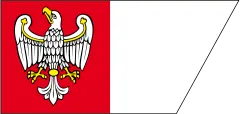 | Greater Poland | Poznań | 3,495,470 (2019) | 29,826 |
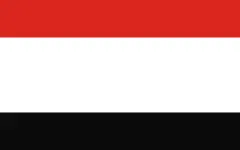 | Kuyavian-Pomeranian | — | 2,090,836 (2014) | 17,969 |
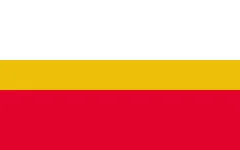 | Lesser Poland | Kraków | 3,360,581 (2013) | 15,108 |
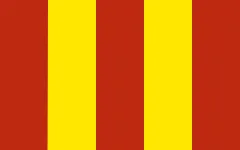 | Łódź | — | 2,508,464 (2014) | 18,219 |
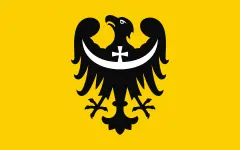 | Lower Silesian | Wrocław | 2,915,245 (2012) | 19,948 |
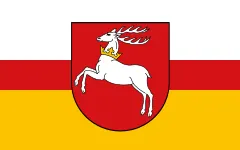 | Lublin | — | 2,151,836 (2014) | 25,114 |
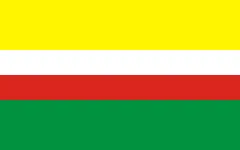 | Lubusz | Gorzów Wielkopolski | 1,020,767 (2014) | 13,988 |
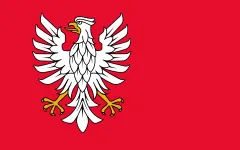 | Masovian | Warsaw | 5,492,000 (2011) | 35,566 |
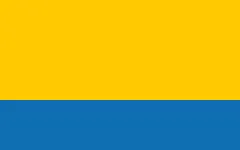 | Opole | — | 990,069 (2017) | 9,413 |
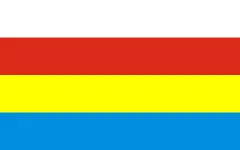 | Podlachian (Podlaskie Voivodeship) | Białystok | 1,193,348 (2014) | 20,180 |
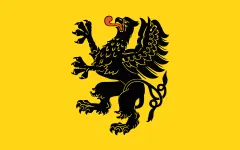 | Pomeranian | Gdańsk | 2,300,000 (2019) | 18,293 |
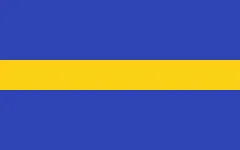 | Silesian | Katowice | — | 12,333 |
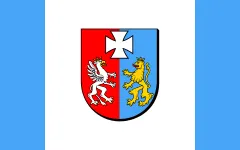 | Subcarpathian (Podkarpackie Voivodeship) | Rzeszów | 2,121,229 (2020) | 17,844 |
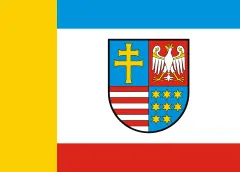 | Świętokrzyskie | Kielce | 1,241,546 (2018) | 11,672 |
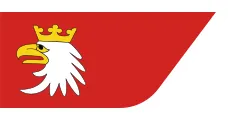 | Warmian-Masurian | Olsztyn | 1,437,812 (2016) | 24,191 |
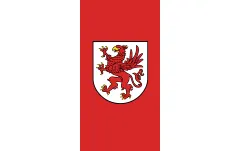 | West Pomeranian | Szczecin | 1,622,760 (2024) | 22,896 |
Capitals, population and area: Wikidata. The year of each population is in brackets.
Flags: Wikimedia Commons.
Its flags over time
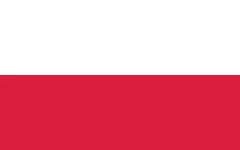 Poland · 1919–1928
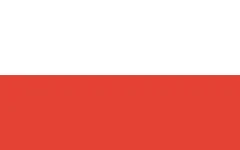 Poland · 1928–1980
- Poland · 1980–today
Flags: Wikimedia Commons.
Frequently asked questions
What is the capital of Poland?
Warsaw
How many people live in Poland?
36.4 million inhabitants (2025)
What currency is used in Poland?
Polish Zloty
What is the official language of Poland?
Polish
What is the calling code of Poland?
+48
Which countries border Poland?
Belarus, Czech Republic, Germany, Lithuania, Russia, Slovakia, and Ukraine
What is the highest point of Poland?
Rysy (2,501 m)
Play Poland · Flag of Poland · Country fact sheets · Maps: Europe · Geotaria
Data: World Bank (population, economy), UNDP (human development), Wikidata, GeoNames and mledoze/countries.